Thought leadership writing
In my role at Deloitte, I work with senior executives, researchers, and industry leaders to shape, sharpen, and publish their best ideas—often translating complex, data-heavy thinking into clear, compelling narratives that land with a business audience.
The work is part editor, part strategist, part translator: I help leaders move from “here’s what we found” to “here’s why it matters and what to do next.” That can mean developing a point of view from early-stage research, restructuring a draft to surface a stronger throughline, or pushing for clarity when the message gets buried under jargon.
I collaborate across Deloitte’s nine Research & Insights centers to bring editorial rigor and storytelling together, and I’m often guiding authors through the full lifecycle—from initial concept to published piece to the content that carries it into the world.
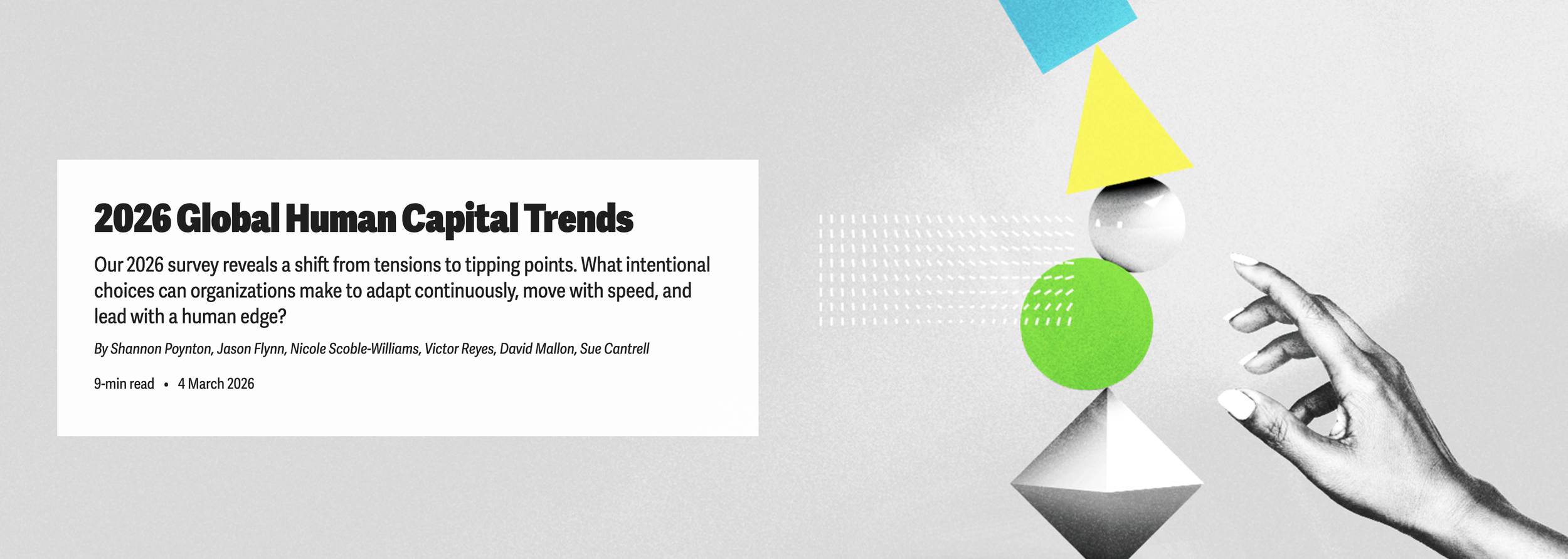
2026 Global Human Capital Trends
I lead the editorial development of Deloitte’s Global Human Capital Trends report—one of the organization’s flagship annual publications—shaping the core themes, building a clear and compelling narrative arc, and aligning contributions from a global network of authors into a cohesive, high-impact final product.
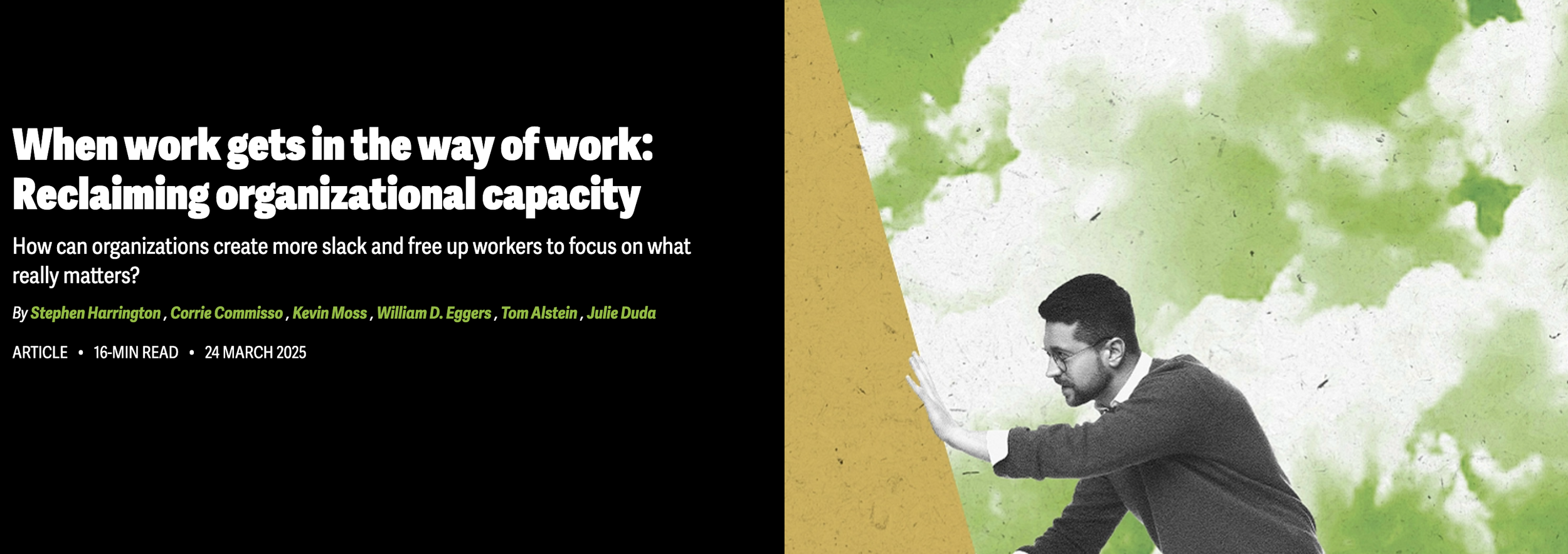
When work gets in the way of work: Reclaiming organizational capacity
How can organizations create more slack and free up workers to focus on what really matters?
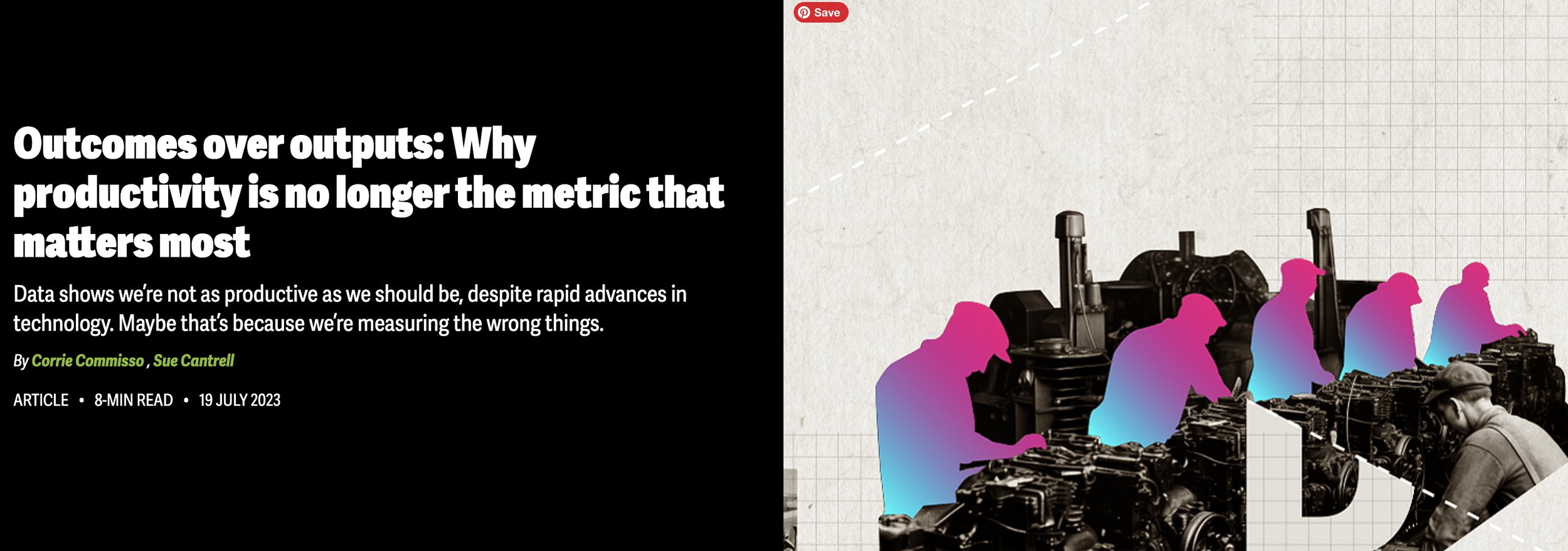
Outcomes over outputs: Why productivity is no longer the metric that matters most
Data shows we’re not as productive as we should be, despite rapid advances in technology. Maybe that’s because we’re measuring the wrong things.
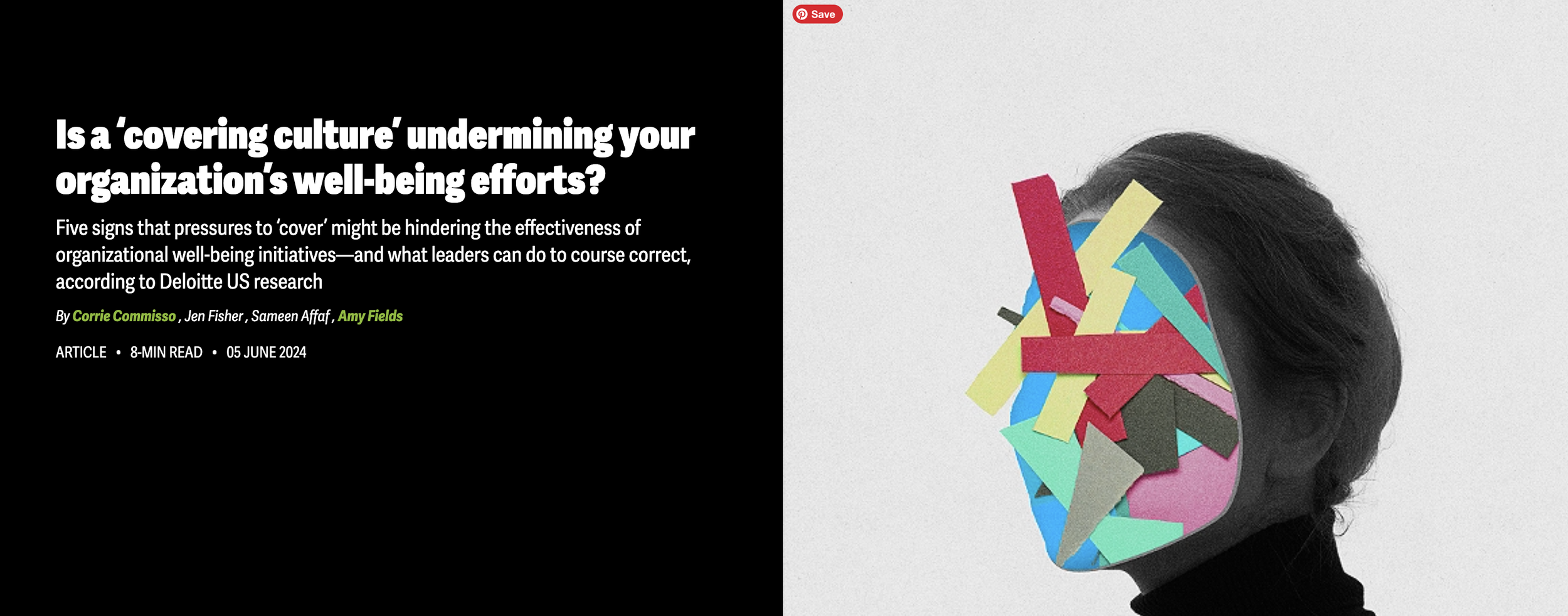
Is a ‘covering culture’ undermining your organization’s well-being efforts?
Five signs that pressures to ‘cover’ might be hindering the effectiveness of organizational well-being initiatives—and what leaders can do to course correct, according to Deloitte US research
Six leader/worker disconnects affecting workplace well-being
Workplace well-being remains a top organizational priority, but leaders’ well-being strategies are hindered by critical gaps between perception and reality.
Thought leadership writing
In my role at Deloitte, I work with senior executives, researchers, and industry leaders to shape, sharpen, and publish their best ideas—often translating complex, data-heavy thinking into clear, compelling narratives that land with a business audience.
The work is part editor, part strategist, part translator: I help leaders move from “here’s what we found” to “here’s why it matters and what to do next.” That can mean developing a point of view from early-stage research, restructuring a draft to surface a stronger throughline, or pushing for clarity when the message gets buried under jargon.
I collaborate across Deloitte’s nine Research & Insights centers to bring editorial rigor and storytelling together, and I’m often guiding authors through the full lifecycle—from initial concept to published piece to the content that carries it into the world.
2026 Global Human Capital Trends
I lead the editorial development of Deloitte’s Global Human Capital Trends report—one of the organization’s flagship annual publications—shaping the core themes, building a clear and compelling narrative arc, and aligning contributions from a global network of authors into a cohesive, high-impact final product.
When work gets in the way of work: Reclaiming organizational capacity
How can organizations create more slack and free up workers to focus on what really matters?
Outcomes over outputs: Why productivity is no longer the metric that matters most
Data shows we’re not as productive as we should be, despite rapid advances in technology. Maybe that’s because we’re measuring the wrong things.
Is a ‘covering culture’ undermining your organization’s well-being efforts?
Five signs that pressures to ‘cover’ might be hindering the effectiveness of organizational well-being initiatives—and what leaders can do to course correct, according to Deloitte US research
Six leader/worker disconnects affecting workplace well-being
Workplace well-being remains a top organizational priority, but leaders’ well-being strategies are hindered by critical gaps between perception and reality.